Pharmaceutical Companies in Derby: 32 Active Firms (2026)
Pharmaceutical companies develop, make, import or distribute regulated medicines for patients and healthcare providers in and around Derby.
Buying centres tend to sit in quality, regulatory affairs, supply-chain and commercial medicine teams rather than general procurement. Typical customers include hospitals, pharmacies, healthcare providers, research partners and medicine supply-chain intermediaries across the East Midlands and wider UK. Engagements are usually licence-bound: manufacturing or assembly work, import arrangements, wholesale distribution, batch documentation, pharmacovigilance support and ongoing compliance monitoring. The buyer profile therefore spans specialist operators with a narrow product or dosage-form focus through to larger commercial organisations managing regulated supply at greater volume.
Read more
Derby has 32 actively trading pharmaceutical companies in this cohort. Reported headcount totals 434, suggesting a base with some operating substance rather than a purely dormant registration pattern. The local picture is still relatively concentrated: many participants appear to be specialist medicine supply, licensing, import or distribution businesses, with a smaller upper tier capable of supporting larger manufacturing or commercial operations. For researchers, Derby looks less like a broad national pharma cluster and more like a regional node in the East Midlands medicine supply chain.
Human medicines sit under MHRA oversight, with GOV.UK guidance setting out licensing duties for organisations that manufacture, assemble or import medicines. Wholesale supply to anyone other than the patient requires a wholesale distribution licence, alongside good distribution practice compliance. Manufacturing and import activity also brings good manufacturing practice controls, regular site inspections and documented quality systems. Marketing authorisation and pharmacovigilance sit behind commercial supply, while public reimbursement tends to add cost-effectiveness review. The regulatory burden for Derby operators therefore falls on licence maintenance, responsible-person oversight and evidence that controlled products move through auditable channels.
The near-term shape appears cautious rather than expansionary. Newer entrants tend to form around specialist importing, niche distribution, formulation support and outsourced supply-chain roles, while scaling into larger manufacturing remains harder because inspection readiness, quality staffing and working capital requirements all rise with operational complexity. Consolidation may come through distribution relationships and licence transfers rather than visible brand-building. Derby’s position should remain tied to practical medicine supply and regulated logistics, with fewer obvious signs of a dense discovery-stage cluster.
What’s in the file
One row per company, 50+ columns — everything below plus each company’s verified directors, from Companies House filings.
Company data
Verified directors — included
Active director count is the full Companies House board, so it can be higher than the number of names listed — we leave out nominee and formation-agent directors, who aren’t worth contacting. It’s blank for the small number of companies whose officers we haven’t fetched yet.
You’re charged per business, not per row. Where a business trades through several registered companies you get every one, and the Group Primary column marks one row per business — filter to those and the count matches your invoice. Rows sharing a website are not automatically one business: franchises and multi-site operators each count separately, and where names don’t prove a relationship we count them apart rather than guess.
32
Active firms
2026
3
Above £5M
Reported revenue
13
Newer incorporations
Since 2022
Buy this list of 76 businesses
The complete list in one Excel/CSV file — company details, websites and key data. Yours to download and use.
Key facts
About 9% of the trading cohort reports turnover above £5M (3 of 32 firms) — the rest sits below that revenue band.
40% of the cohort was incorporated since 2022 (13 firms), so a sizeable share is in its first few filing cycles.
UK human medicines are regulated by the MHRA, which sets standards, evaluates new treatments, approves clinical trials, licenses medicines and oversees pharmacovigilance.
Organisations that make, assemble or import human medicines need an MHRA manufacturer’s licence, good manufacturing practice compliance and regular site inspections.
Wholesale supply to anyone other than the patient requires a wholesale distribution licence and good distribution practice compliance.
£9.0 billion of pharmaceutical R&D was performed by the UK business enterprise sector in 2022, equivalent to 0.36% of UK GDP.
UK pharmaceutical exports were valued at £25.6 billion in 2023, with the UK ranked tenth among comparator countries.
Top Derby Pharmaceutical companies
Financial sub-scores
Computed from 5 filingsFinancial Health
StrongStrong
Location
Buy this list of 76 businesses
The complete list in one Excel/CSV file — company details, websites and key data. Yours to download and use.
Financial sub-scores
Computed from 3 filingsFinancial Health
WeakWeak · 0% CAGR over 4y
Location
Buy this list of 76 businesses
The complete list in one Excel/CSV file — company details, websites and key data. Yours to download and use.
Financial sub-scores
Computed from 3 filingsFinancial Health
HealthyHealthy
Location
Buy this list of 76 businesses
The complete list in one Excel/CSV file — company details, websites and key data. Yours to download and use.
Financial sub-scores
Computed from 3 filingsFinancial Health
DistressedDistressed · 0% CAGR over 2y
Location
Buy this list of 76 businesses
The complete list in one Excel/CSV file — company details, websites and key data. Yours to download and use.
Financial Health
N/AN/A
Location
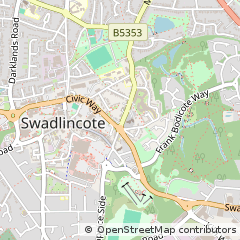
Buy this list of 76 businesses
The complete list in one Excel/CSV file — company details, websites and key data. Yours to download and use.
Financial sub-scores
Computed from 3 filingsProvides clinical homecare services including delivery of prescription medicines, home nursing visits, and patient training for self‑administration of treatments. Supports hospitals and…
Serves patients and families managing specialist medicines at home, alongside NHS clinicians, healthcare professionals and pharmaceutical companies involved in rare, orphan, complex and common…
Financial Health
StrongStrong · Profitable, Growing, Hiring · 28% CAGR over 2y
Location
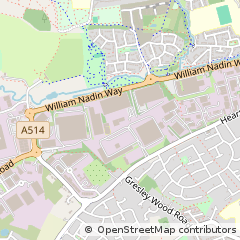
Buy this list of 76 businesses
The complete list in one Excel/CSV file — company details, websites and key data. Yours to download and use.
Financial sub-scores
Computed from 2 filingsFinancial Health
WeakWeak · 0% CAGR over 1y
Location
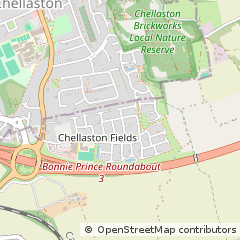
Buy this list of 76 businesses
The complete list in one Excel/CSV file — company details, websites and key data. Yours to download and use.
Financial sub-scores
Computed from 2 filingsFinancial Health
StrongStrong
Location
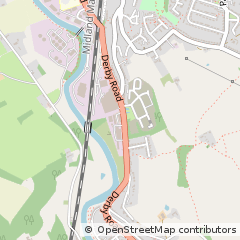
Buy this list of 76 businesses
The complete list in one Excel/CSV file — company details, websites and key data. Yours to download and use.
68 more companies and their verified directors are in the file
You’re seeing the top 8. Buy the list to get all 76 with directors, websites and financials.
How Derby Pharmaceutical companies work and how to sell to them
What they do
Revenue usually follows the regulated activity rather than a single software-like licence model. Derby pharmaceutical firms typically earn margin on supplied medicines, charge for manufacturing or assembly work, receive distribution or licensing income, and bill project fees for quality, regulatory or pharmacovigilance support. Pricing often sits around product line, batch, order volume, service retainer or release milestone. Cash conversion can be uneven because inventory, validation, testing and release documentation all sit ahead of invoice collection. The commercial model is therefore operational as much as scientific: capacity, licence scope and audit readiness shape what a firm can sell.
Who they sell to
Customers tend to be operational buyers with low tolerance for supply disruption. Typical targets include NHS and private healthcare procurement teams, hospital pharmacy functions, community pharmacy groups, medicine wholesalers, research sponsors and owners of specialist medicine lines. Decision-makers usually include quality directors, regulatory affairs managers, responsible persons, commercial medicine leads, finance teams and procurement heads. Smaller transactions may move through direct relationships and repeat purchase orders, while hospital or public-sector supply can involve frameworks, tenders or documented supplier qualification. Sales cycles can run from weeks for known supply relationships to months where licence scope, technical transfer or inspection evidence is involved.
What they buy
Spend tends to sit where licence maintenance, traceability and working capital meet. Most Derby pharmaceutical firms tend to buy quality management and document control systems, validated inventory and batch tracking, pharmacovigilance workflow tools, finance and order management, temperature monitoring, supplier-risk management, cyber security and audit preparation support. They also use external regulatory advisers, legal support for distribution and licensing arrangements, accountancy, insurance, recruitment for quality and responsible-person roles, and specialist logistics. Facilities spend may include warehousing, cold-chain services, packaging, validation, calibration and laboratory testing. Vendors that can work within good manufacturing practice or good distribution practice constraints usually have a clearer route in.
Why and how to sell to them
Commercial intent is often clearest when a pharmaceutical operator changes licence scope, adds a dosage form, takes on a new distribution relationship, prepares for MHRA inspection, hires into quality or regulatory affairs, or moves from ad hoc supply into recurring contracts. A smaller group has passed £5M revenue, so some buyers will be managing more formal finance, compliance and supplier controls than founder-led specialists. Outbound angles should usually focus on reducing release delays, keeping audit trails defensible, protecting margin tied up in stock, improving supplier qualification, or making inspection evidence easier to assemble. Claims need to be practical, documented and cautious rather than broad productivity promises.
How this list is built
Data sources
This list is built from UK Companies House filings, XBRL accounts data, and semantic analysis of each company's public website. Revenue and headcount figures come from the most recent filed accounts; where the company has not filed, values are estimated using a model trained on filed history and peer benchmarks and are labelled as estimates.
Classification
Rather than relying solely on SIC codes, Firmbase classifies each company semantically: the company's website is crawled, an AI model reads what the company actually sells, and the company is placed into the relevant industry and subsectors. SIC codes are used as one signal but not the only one. This means a company that registered under a generic SIC code but pivoted into (for example) fintech is correctly identified as fintech, not as its original SIC category.
Freshness
The underlying company data is refreshed from Companies House continuously; filings appear in the list within days of submission. The curated list ordering is regenerated when the underlying data moves meaningfully (company count changes by more than 5%, a new company enters the top-ranked segment, or the filed-revenue numbers for the top firms change). You can see the last-updated timestamp near the top of the page.
Also in Derby
Related directories
Frequently asked questions
How many pharmaceutical companies are there in Derby?
What counts as a pharmaceutical company in this list?
Which are the largest pharmaceutical companies in Derby?
What do pharmaceutical companies in Derby actually do?
How does Derby pharmaceutical compare internationally?
How is this list built and how fresh is the data?
How big are the typical pharmaceutical companies in Derby?
Are these mostly new or established pharmaceutical companies?
What SIC codes does this use?
What buying signals should I look for?
Buy all 76 businesses as a spreadsheet.
One Excel/CSV file with company details, websites and key data — yours to download and use.