Arable Farming Companies in Cardiff: 40 Active Firms (2026)
Arable farming companies in Cardiff grow cereal and other field crops for food, feed and supply chains across the surrounding metropolitan area.
Purchasing and sales activity tends to sit with working directors and farm managers rather than formal procurement teams. Buyers are grain merchants, feed mills, food processors, livestock producers and nearby agricultural contractors, with public-sector exposure usually indirect through land, environmental and planning rules rather than tender-led sales. Engagements are seasonal and tied to crop cycles: seed, fertiliser, storage, haulage, agronomy and plant-hire relationships often matter as much as the crop sale itself. The Cardiff angle points to small-employer farms serving regional supply chains, with limited evidence of enterprise-style contracting or large multi-site agribusiness procurement.
Read more
Cardiff has 40 actively trading arable farming companies in this list, so the local cohort is small enough for operational relationships to matter alongside formal supply contracts. Reported employment totals 101 people, which points to a labour footprint spread across relatively small teams rather than concentrated in a few large operators. The absence of companies above £5M turnover also fits that profile: commercial scale appears to come through acreage, machinery access and supply-chain relationships, not through revenue disclosed at mid-market level.
Plant-protection compliance is the main technical regulatory seam for Cardiff arable operators. HSE regulates pesticide and plant-protection-product use across the UK on behalf of the UK government and devolved administrations, and only authorised products can be marketed or used. Professional users in Great Britain must register with the competent authority and may be inspected for compliance, so agronomy advice, spray records, storage practice and contractor oversight are not administrative extras. Cardiff operators also sit within devolved agricultural policy, where soil quality, plant health and land-management objectives can shape payments and operating expectations.
Cardiff’s arable cohort appears likely to remain a small-company market, with scale constrained by land access, machinery costs and exposure to commodity pricing. Consolidation may occur through contracting, shared equipment and land-management arrangements rather than conventional venture-backed scaling. Compliance pressure around plant protection, soil stewardship and record-keeping also tends to favour operators with disciplined agronomy and access to specialist advice. The more resilient firms are likely to be those that can manage input volatility while keeping buyer relationships with merchants, feed users and processors intact.
What’s in the file
One row per company, 50+ columns — everything below plus each company’s verified directors, from Companies House filings.
Company data
Verified directors — included
Active director count is the full Companies House board, so it can be higher than the number of names listed — we leave out nominee and formation-agent directors, who aren’t worth contacting. It’s blank for the small number of companies whose officers we haven’t fetched yet.
You’re charged per business, not per row. Where a business trades through several registered companies you get every one, and the Group Primary column marks one row per business — filter to those and the count matches your invoice. Rows sharing a website are not automatically one business: franchises and multi-site operators each count separately, and where names don’t prove a relationship we count them apart rather than guess.
40
Active firms
2026
11
Recent incorporations
Since 2022
£3.5 billion
Cereal output
UK production value, 2024
Buy this list of 203 businesses
The complete list in one Excel/CSV file — company details, websites and key data. Yours to download and use.
Key facts
27% of the cohort was incorporated since 2022 (11 firms), so a sizeable share is in its first few filing cycles.
Defra reported total UK cereal production of just over 19.4 million tonnes in 2024, down 12% on 2023, with the value of production down 22% to around £3.5 billion.
Wheat remained the largest arable crop by value in 2024, with harvested production down 20% to 11.1 million tonnes and production value at £2.2 billion.
HSE regulates pesticide and plant-protection-product use for the UK government and devolved administrations, and only authorised pesticide products can be marketed or used.
Professional users of plant protection products in Great Britain must register under the Official Controls (Plant Protection Products) Regulations 2020 and may face HSE compliance inspections.
Defra reported production as 79% of total new supply for UK cereal use in 2024, down from 93% in 2023, after a poor harvest increased import reliance.
Top Cardiff Arable Farming companies
Financial sub-scores
Computed from 5 filingsFinancial Health
WeakWeak · -68% CAGR over 4y
Location
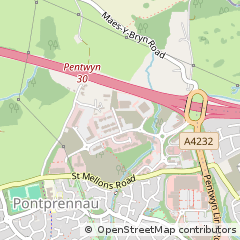
Buy this list of 203 businesses
The complete list in one Excel/CSV file — company details, websites and key data. Yours to download and use.
Financial sub-scores
Computed from 5 filingsFinancial Health
WeakWeak · -72% CAGR over 4y
Location
Buy this list of 203 businesses
The complete list in one Excel/CSV file — company details, websites and key data. Yours to download and use.
Financial sub-scores
Computed from 3 filingsFinancial Health
WeakWeak · -13% CAGR over 2y
Location
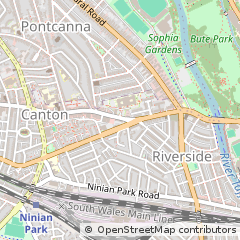
Buy this list of 203 businesses
The complete list in one Excel/CSV file — company details, websites and key data. Yours to download and use.
Financial sub-scores
Computed from 5 filingsFinancial Health
HealthyHealthy
Location
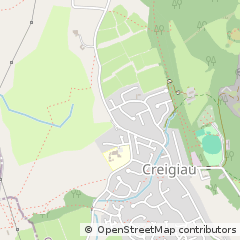
Buy this list of 203 businesses
The complete list in one Excel/CSV file — company details, websites and key data. Yours to download and use.
Financial Health
N/AN/A
Location
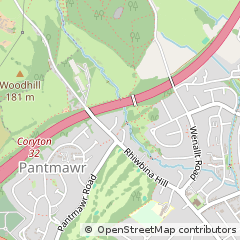
Buy this list of 203 businesses
The complete list in one Excel/CSV file — company details, websites and key data. Yours to download and use.
Financial sub-scores
Computed from 5 filingsProvides agricultural contracting and farming services, including maize drilling, foraging, baling and wrapping, digestate spreading, and slurry management. Also sells forage and straw and operates a…
Serves farmers, landowners and agricultural businesses in Bridgend and South Wales, including dairy and livestock farms needing contracting support, forage or straw supplies, and digestate/slurry…
Financial Health
StrongStrong · Growing, Hiring · 12% CAGR over 5y
Location
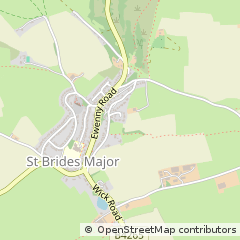
Buy this list of 203 businesses
The complete list in one Excel/CSV file — company details, websites and key data. Yours to download and use.
Financial sub-scores
Computed from 5 filingsFinancial Health
StableStable · -5% CAGR over 4y
Location
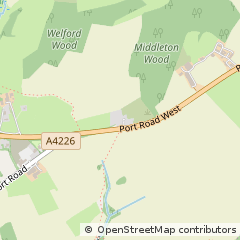
Buy this list of 203 businesses
The complete list in one Excel/CSV file — company details, websites and key data. Yours to download and use.
Financial sub-scores
Computed from 5 filingsFinancial Health
DistressedDistressed · -68% CAGR over 4y
Location
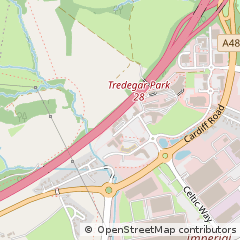
Buy this list of 203 businesses
The complete list in one Excel/CSV file — company details, websites and key data. Yours to download and use.
Financial sub-scores
Computed from 5 filingsFinancial Health
StableStable · -9% CAGR over 4y
Location
Buy this list of 203 businesses
The complete list in one Excel/CSV file — company details, websites and key data. Yours to download and use.
Financial Health
N/AN/A
Location
Buy this list of 203 businesses
The complete list in one Excel/CSV file — company details, websites and key data. Yours to download and use.
Financial sub-scores
Computed from 3 filingsOperates a working agricultural estate producing arable crops and livestock, including free-range chickens and honey. Runs a farm shop selling estate produce, provides cabin accommodation, and offers…
Serves a mix of consumers and businesses, including local farm shop customers, cabin guests, buyers of farm produce, and film or TV production teams seeking rural estate locations in Wales.
Financial Health
StableStable · -1% CAGR over 2y
Location
Buy this list of 203 businesses
The complete list in one Excel/CSV file — company details, websites and key data. Yours to download and use.
Financial sub-scores
Computed from 5 filingsFinancial Health
StrongStrong
Location
Buy this list of 203 businesses
The complete list in one Excel/CSV file — company details, websites and key data. Yours to download and use.
Financial sub-scores
Computed from 5 filingsFinancial Health
StableStable
Location
Buy this list of 203 businesses
The complete list in one Excel/CSV file — company details, websites and key data. Yours to download and use.
Financial Health
N/AN/A
Location
Buy this list of 203 businesses
The complete list in one Excel/CSV file — company details, websites and key data. Yours to download and use.
Financial sub-scores
Computed from 5 filingsFinancial Health
HealthyHealthy · -72% CAGR over 4y
Location
Buy this list of 203 businesses
The complete list in one Excel/CSV file — company details, websites and key data. Yours to download and use.
Financial sub-scores
Computed from 5 filingsFinancial Health
StableStable
Location
Buy this list of 203 businesses
The complete list in one Excel/CSV file — company details, websites and key data. Yours to download and use.
Financial sub-scores
Computed from 2 filingsFinancial Health
DistressedDistressed
Location
Buy this list of 203 businesses
The complete list in one Excel/CSV file — company details, websites and key data. Yours to download and use.
Financial Health
N/AN/A
Location
Buy this list of 203 businesses
The complete list in one Excel/CSV file — company details, websites and key data. Yours to download and use.
Financial sub-scores
Computed from 4 filingsFinancial Health
WeakWeak
Location
Buy this list of 203 businesses
The complete list in one Excel/CSV file — company details, websites and key data. Yours to download and use.
Financial sub-scores
Computed from 3 filingsFinancial Health
WeakWeak · 0% CAGR over 2y
Location
Buy this list of 203 businesses
The complete list in one Excel/CSV file — company details, websites and key data. Yours to download and use.
Financial sub-scores
Computed from 4 filingsFinancial Health
StableStable · 0% CAGR over 3y
Location
Buy this list of 203 businesses
The complete list in one Excel/CSV file — company details, websites and key data. Yours to download and use.
Financial sub-scores
Computed from 3 filingsFinancial Health
StableStable · -93% CAGR over 2y
Location
Buy this list of 203 businesses
The complete list in one Excel/CSV file — company details, websites and key data. Yours to download and use.
Financial Health
N/AN/A
Location
Buy this list of 203 businesses
The complete list in one Excel/CSV file — company details, websites and key data. Yours to download and use.
180 more companies and their verified directors are in the file
You’re seeing the top 23. Buy the list to get all 203 with directors, websites and financials.
How Cardiff Arable Farming companies work and how to sell to them
What they do
Arable farming companies earn revenue from physical crop outputs rather than software, licence fees or recurring service contracts. Income usually comes from selling grain, oilseeds, pulses, forage crops or straw into agricultural supply chains, with pricing linked to tonnage, grade, moisture, protein content and delivery timing. Some operators add income through contracting work, storage, haulage, machinery hire or land-management payments, but the main commercial cycle still follows drilling, growing, harvest and sale. Working capital is tied up before revenue arrives, because seed, fertiliser, crop protection, fuel and contractor costs are committed months before crop proceeds are received.
Who they sell to
Most sales are relationship-led rather than procurement-led. Typical buyers include grain merchants, feed compounders, livestock producers, local processors and agricultural contractors, with decision-making handled by grain buyers, farm directors, production managers or owner-operators. Contracts tend to be seasonal, sometimes agreed through forward sales and sometimes handled around harvest when crop quality is known. Formal RFPs are uncommon in this part of the market; phone-based dealing, broker relationships, farm visits and repeat merchant relationships matter more. Procurement expectations focus on quality specifications, delivery windows, storage condition, assurance paperwork and whether the seller can supply reliably during harvest pressure.
What they buy
Most arable farming firms tend to spend on inputs and services that protect yield, keep machinery running and satisfy assurance requirements. Common sales angles include agronomy advice, soil testing, seed, fertiliser, crop-protection products, sprayer services, machinery maintenance, plant hire, fuel, storage, haulage, insurance and accountancy. Digital spend is usually practical rather than experimental: bookkeeping, payroll, field records, crop planning, compliance logs, weather tools, mapping, stock control and basic customer or supplier management. Specialist services can also fit, particularly land agency, environmental consultancy, HSE-related compliance support, health and safety advice, recruitment for seasonal labour, and finance products aligned with harvest cashflow.
Why and how to sell to them
Arable buyers tend to evaluate suppliers when input prices move, machinery becomes unreliable, crop rotations change, land arrangements shift or record-keeping expectations become harder to manage. Timing matters: pre-drilling, fertiliser ordering, spray planning, harvest logistics and post-harvest storage are distinct buying windows. Outbound that works in this segment is usually specific about avoided downtime, cleaner audit trails, lower waste, easier compliance evidence or better cashflow timing. Generic productivity claims are less persuasive than examples tied to acreage management, contractor coordination, grain quality, storage losses or HSE inspection readiness. Cardiff operators are also likely to value local servicing and clear support routes over enterprise-style procurement theatre.
How this list is built
Data sources
This list is built from UK Companies House filings, XBRL accounts data, and semantic analysis of each company's public website. Revenue and headcount figures come from the most recent filed accounts; where the company has not filed, values are estimated using a model trained on filed history and peer benchmarks and are labelled as estimates.
Classification
Rather than relying solely on SIC codes, Firmbase classifies each company semantically: the company's website is crawled, an AI model reads what the company actually sells, and the company is placed into the relevant industry and subsectors. SIC codes are used as one signal but not the only one. This means a company that registered under a generic SIC code but pivoted into (for example) fintech is correctly identified as fintech, not as its original SIC category.
Freshness
The underlying company data is refreshed from Companies House continuously; filings appear in the list within days of submission. The curated list ordering is regenerated when the underlying data moves meaningfully (company count changes by more than 5%, a new company enters the top-ranked segment, or the filed-revenue numbers for the top firms change). You can see the last-updated timestamp near the top of the page.
Also in Cardiff
Related directories
Frequently asked questions
How many arable farming companies are there in Cardiff?
What counts as a arable farming company in this list?
Which are the largest arable farming companies in Cardiff?
What do arable farming companies in Cardiff actually do?
How does Cardiff arable farming compare internationally?
How is this list built and how fresh is the data?
How big are the typical arable farming companies in Cardiff?
Are these mostly new or established arable farming companies?
What SIC codes does this use?
What buying signals should I look for?
Buy all 203 businesses as a spreadsheet.
One Excel/CSV file with company details, websites and key data — yours to download and use.