Insurance Companies in Cambridge: 25 Active Firms (2026)
Insurance companies in Cambridge arrange, underwrite or administer cover for households and businesses across the city economy.
Buying activity sits mainly with owner-managed businesses, property-related clients, professional services firms and households that still value local advice before placing cover. The typical supplier looks less like a national balance-sheet insurer and more like a relationship-led broker, claims administrator or underwriting-support operation serving repeat clients across Cambridge and nearby towns. Engagements tend to be advisory and renewal-based rather than one-off software-style sales: risk reviews, policy placement, claims support and sector-specific guidance. The common commercial pattern is modest-ticket, trust-heavy work where local knowledge and regulated process matter as much as product breadth.
Read more
Cambridge has 25 insurance companies actively trading, making this a small local cohort rather than a dense insurance centre. Reported employment is also modest, with a total headcount of 37 across firms that disclose staff numbers. The absence of companies above the over-£5M turnover band points to a market weighted towards local brokerage, administration and specialist advisory work, rather than large underwriting platforms or national distribution groups. For researchers, the useful read is less about institutional scale and more about how insurance capability is embedded in the wider Cambridge business-services economy.
Insurance activity in this cohort sits inside a permissions-led market where distribution, claims handling and customer communications are part of the operating model, not afterthoughts. Local firms usually compete through advice quality, sector familiarity and renewal relationships, while carrying the same need for clear governance around suitability, disclosure and complaints handling as larger distributors. Market structure also matters: smaller operators often depend on access to wider underwriting capacity, delegated authority arrangements or referral relationships, so the visible local business may represent only one part of the risk-placement chain.
The Cambridge insurance cohort appears likely to remain service-led and relationship-heavy, with limited evidence of a scale-up layer. Change tends to come through portfolio specialisation, succession among owner-managed brokers, and consolidation by larger distribution groups rather than through new capacity entering the city. Regulatory pressure keeps process discipline high, particularly around advice, claims communication and client documentation. Local demand should continue to track the surrounding business economy, but the shape of the market suggests incremental movement: more niche cover, more outsourced administration, and gradual migration of routine client contact into digital channels while complex advice stays human-led.
What’s in the file
One row per company, 50+ columns — everything below plus each company’s verified directors, from Companies House filings.
Company data
Verified directors — included
Active director count is the full Companies House board, so it can be higher than the number of names listed — we leave out nominee and formation-agent directors, who aren’t worth contacting. It’s blank for the small number of companies whose officers we haven’t fetched yet.
You’re charged per business, not per row. Where a business trades through several registered companies you get every one, and the Group Primary column marks one row per business — filter to those and the count matches your invoice. Rows sharing a website are not automatically one business: franchises and multi-site operators each count separately, and where names don’t prove a relationship we count them apart rather than guess.
25
Active firms
2026
0
Above £5M revenue
firms over the threshold
2
Incorporated since 2022
newer registered firms
Buy this list of 56 businesses
The complete list in one Excel/CSV file — company details, websites and key data. Yours to download and use.
Key facts
8% of the cohort was incorporated since 2022 (2 firms), so a sizeable share is in its first few filing cycles.
Cambridge insurance activity here centres on arranging, underwriting and administering cover for households and businesses.
The local market reads as a distribution and administration segment rather than a base for national carriers.
Brokerage-led and underwriting-led models appear to serve both commercial and household demand across the city economy.
Top Cambridge Insurance companies
Financial sub-scores
Computed from 5 filingsInsurance broker specialising in cover for high-net-worth individuals, including home, motor, yacht and collection insurance. Also arranges policies for fine art and antiques, property renovations,…
Serves high-net-worth private clients seeking cover for valuable homes, vehicles, yachts, art, antiques, collections, renovation projects, and personal crisis or threat risks.
Financial Health
HealthyHealthy · Hiring · 17% CAGR over 4y
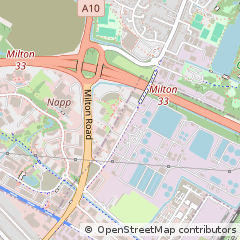
Location
Buy this list of 56 businesses
The complete list in one Excel/CSV file — company details, websites and key data. Yours to download and use.
Financial sub-scores
Computed from 4 filingsFinancial Health
WeakWeak · -21% CAGR over 3y
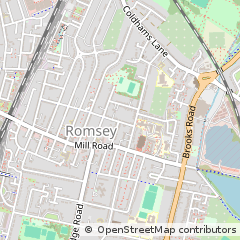
Location
Buy this list of 56 businesses
The complete list in one Excel/CSV file — company details, websites and key data. Yours to download and use.
Financial sub-scores
Computed from 3 filingsProvides specialist commercial insurance products including cyber, professional liability, management liability, environmental and transaction liability cover. Offers policies for sectors such as…
Serves insurance brokers and businesses worldwide, from private enterprises to large corporates, across technology, healthcare, manufacturing, financial institutions, professional services, media and…
Financial Health
DistressedDistressed · -13% CAGR over 2y
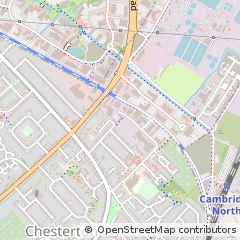
Location
Buy this list of 56 businesses
The complete list in one Excel/CSV file — company details, websites and key data. Yours to download and use.
Financial sub-scores
Computed from 5 filingsProvides portfolio management and oversight for delegated authority insurance arrangements, supporting insurers, reinsurers and managing general agents. Delivers performance monitoring, actuarial…
Serves B2B insurance market participants, including insurers, reinsurers, capacity providers and MGAs involved in delegated authority arrangements and underwriting portfolio partnerships.
Financial Health
StrongStrong · -78% CAGR over 3y
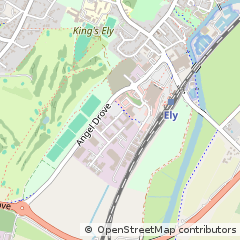
Location
Buy this list of 56 businesses
The complete list in one Excel/CSV file — company details, websites and key data. Yours to download and use.
Financial sub-scores
Computed from 5 filingsFinancial Health
DistressedDistressed · -10% CAGR over 4y
Location
Buy this list of 56 businesses
The complete list in one Excel/CSV file — company details, websites and key data. Yours to download and use.
Financial sub-scores
Computed from 5 filingsFinancial Health
WeakWeak · 0% CAGR over 4y
Location
Buy this list of 56 businesses
The complete list in one Excel/CSV file — company details, websites and key data. Yours to download and use.
Financial sub-scores
Computed from 5 filingsFinancial Health
WeakWeak · 0% CAGR over 4y
Location
Buy this list of 56 businesses
The complete list in one Excel/CSV file — company details, websites and key data. Yours to download and use.
Financial Health
N/AN/A
Location
Buy this list of 56 businesses
The complete list in one Excel/CSV file — company details, websites and key data. Yours to download and use.
Financial sub-scores
Computed from 5 filingsFinancial Health
StableStable · -68% CAGR over 4y
Location
Buy this list of 56 businesses
The complete list in one Excel/CSV file — company details, websites and key data. Yours to download and use.
Financial sub-scores
Computed from 5 filingsFinancial Health
DistressedDistressed · 0% CAGR over 4y
Location
Buy this list of 56 businesses
The complete list in one Excel/CSV file — company details, websites and key data. Yours to download and use.
Financial sub-scores
Computed from 5 filingsFinancial Health
StableStable
Location
Buy this list of 56 businesses
The complete list in one Excel/CSV file — company details, websites and key data. Yours to download and use.
Financial sub-scores
Computed from 5 filingsProvides independent financial advice and planning services, including pensions, investments and savings, mortgage advice, life insurance and income protection, and business protection insurance,…
Serves individuals, families and business owners seeking financial advice on pensions, investments, mortgages and protection, including companies looking for business protection cover.
Financial Health
HealthyHealthy · 0% CAGR over 4y
Location
Buy this list of 56 businesses
The complete list in one Excel/CSV file — company details, websites and key data. Yours to download and use.
44 more companies and their verified directors are in the file
You’re seeing the top 12. Buy the list to get all 56 with directors, websites and financials.
How Cambridge Insurance companies work and how to sell to them
What they do
Revenue usually comes from recurring commission on placed policies, broker fees for advice and administration, claims-handling fees, and support work linked to underwriting or delegated authority arrangements. Cambridge insurance firms tend to package their service around annual renewal cycles, risk reviews and mid-term adjustments rather than one-off transactions. Pricing is usually tied to the premium base, the complexity of the client’s risk, or an agreed service fee for commercial accounts. The product is partly advice and partly process: gathering risk information, negotiating capacity, maintaining client documentation, and helping policyholders when claims arise.
Who they sell to
Customers are typically local SMEs, property owners, professional services partnerships, owner-managed firms and households that prefer advice-led placement over self-serve comparison channels. Commercial buying decisions often sit with owner-managers, finance directors, operations managers or property managers; personal lines work is more direct and relationship-led. Sales cycles usually follow insurance renewal dates, with shorter cycles for simple cover and longer discussions where risk surveys, claims history or multiple policy classes are involved. New business tends to arrive through referrals, local networks, professional advisers and direct outreach rather than formal procurement, though larger commercial clients may compare several brokers before switching.
What they buy
Most insurance firms tend to spend on systems and services that reduce manual administration while preserving a clear advice trail. Relevant categories include broker management software, CRM, renewal workflow tools, document management, e-signature, call recording, compliance monitoring, claims case management, client portals and secure file transfer. They may also buy accounting support, client-money controls, cyber security, cloud hosting, telephony, local search marketing and sector-specific content. Recruitment and outsourced administration can matter where renewal books are handled by small teams. Vendors selling into this market usually need to show how their offer fits regulated workflows, not just general office productivity.
Why and how to sell to them
Buying triggers tend to appear when renewal workload rises, a book of business is acquired, a senior adviser leaves, a delegated authority arrangement changes, or client communications need better evidence. Cambridge insurance buyers are likely to respond to practical arguments: fewer rekeying steps, cleaner suitability records, faster claims updates, better renewal retention and lower risk of missed documentation. Outreach should be specific to the operating model, distinguishing brokers, claims administrators and underwriting-support firms rather than treating insurance as one block. Credible pitches usually reference renewal pressure, compliance evidence and adviser capacity, with enough detail to suit owner-managed teams.
How this list is built
Data sources
This list is built from UK Companies House filings, XBRL accounts data, and semantic analysis of each company's public website. Revenue and headcount figures come from the most recent filed accounts; where the company has not filed, values are estimated using a model trained on filed history and peer benchmarks and are labelled as estimates.
Classification
Rather than relying solely on SIC codes, Firmbase classifies each company semantically: the company's website is crawled, an AI model reads what the company actually sells, and the company is placed into the relevant industry and subsectors. SIC codes are used as one signal but not the only one. This means a company that registered under a generic SIC code but pivoted into (for example) fintech is correctly identified as fintech, not as its original SIC category.
Freshness
The underlying company data is refreshed from Companies House continuously; filings appear in the list within days of submission. The curated list ordering is regenerated when the underlying data moves meaningfully (company count changes by more than 5%, a new company enters the top-ranked segment, or the filed-revenue numbers for the top firms change). You can see the last-updated timestamp near the top of the page.
Also in Cambridge
Related directories
Frequently asked questions
How many insurance companies are there in Cambridge?
What counts as a insurance company in this list?
Which are the largest insurance companies in Cambridge?
What do insurance companies in Cambridge actually do?
How does Cambridge insurance compare internationally?
How is this list built and how fresh is the data?
How big are the typical insurance companies in Cambridge?
Are these mostly new or established insurance companies?
What SIC codes does this use?
What buying signals should I look for?
Buy all 56 businesses as a spreadsheet.
One Excel/CSV file with company details, websites and key data — yours to download and use.