Planning Companies in Liverpool: 38 Active Firms (2026)
Planning consultancies advise on development proposals, applications and policy compliance for clients across Liverpool's metropolitan area.
Buying centres tend to sit with property directors, land-use project sponsors, infrastructure teams and advisers managing statutory development-management risk. Engagements usually follow the life of a proposal: site appraisal, policy interpretation, application strategy, submissions, objections and committee-stage support. The buyer base is mostly local and regional rather than national, with owner-managed developers and mid-market project sponsors using Liverpool practices for Merseyside and nearby North West work. At the upper end, mandates can run across programmes of schemes, while smaller firms often handle repeat advisory work around individual applications.
Read more
The Liverpool cohort includes 38 actively trading planning consultancies. It tilts towards small advisory practices: 4 have turnover above £5M, while 8 were incorporated since 2022. Reported employment is modest in absolute terms, with 17 firms disclosing headcount and 29 employees between them. That pattern fits a market serving local and regional schemes across Merseyside rather than a city dominated by very large multi-office practices. It also means individual hires, retirements or mergers can move the local supplier map more than they would in larger professional-services centres.
Planning advice in England sits around the statutory development-management process rather than a sector licence. Local planning authorities determine applications under the planning framework, with gov.uk guidance tying decisions to the development plan unless material considerations point elsewhere. The Town and Country Planning Act and the Planning and Compulsory Purchase Act provide the main legal anchors; case type then affects the applicable determination period, with major schemes, technical-details consent, public service infrastructure development and environmental impact assessment work treated differently. Professional-body membership and conduct codes can also matter in procurement and expert-witness work.
Liverpool's planning-advice market appears likely to remain relationship-led and relatively fragmented. Many practices tend to be small, while scale-up scarcity leaves room for mid-sized consultancies to win larger mandates when they can combine policy advice, appeal support and local authority process knowledge. Workload has been tied to a cyclical development pipeline, so fee pressure may persist when schemes pause or funding conditions tighten. Consolidation may surface through succession planning and selective tuck-ins, but specialist independents should continue to find work where clients value local planning judgement over national coverage.
What’s in the file
One row per company, 50+ columns — everything below plus each company’s verified directors, from Companies House filings.
Company data
Verified directors — included
Active director count is the full Companies House board, so it can be higher than the number of names listed — we leave out nominee and formation-agent directors, who aren’t worth contacting. It’s blank for the small number of companies whose officers we haven’t fetched yet.
You’re charged per business, not per row. Where a business trades through several registered companies you get every one, and the Group Primary column marks one row per business — filter to those and the count matches your invoice. Rows sharing a website are not automatically one business: franchises and multi-site operators each count separately, and where names don’t prove a relationship we count them apart rather than guess.
38
Active firms
2026
4
Above £5M turnover
Liverpool-area firms
8
Incorporated since 2022
Liverpool-area firms
Buy this list of 68 businesses
The complete list in one Excel/CSV file — company details, websites and key data. Yours to download and use.
Key facts
About 10% of the trading cohort reports turnover above £5M (4 of 38 firms) — the rest sits below that revenue band.
21% of the cohort was incorporated since 2022 (8 firms), so a sizeable share is in its first few filing cycles.
Planning consultancy work sits around local planning-authority decision-making rather than a single sector licence, with GOV.UK linking the framework to section 70(2) of the Town and Country Planning Act 1990 and section 38(6) of the Planning and Compulsory Purchase Act 2004.
Statutory decision periods in England are 13 weeks for major development, 10 weeks for technical-details consent and public service infrastructure development, 8 weeks for other applications, and 16 weeks where Environmental Impact Assessment applies.
District-level planning authorities in England received 330,500 planning-permission applications in the year ending December 2024, down 8%, and granted 271,600 decisions.
The OECD’s 2024 UK economic survey characterised the UK planning system as “overly stringent and complex” and linked lengthy processes to barriers to investment.
Top Liverpool Planning companies
Financial sub-scores
Computed from 5 filingsProvides transport planning consultancy services including traffic and transport assessments, highway advice, and development transport strategies. Works with developers and planners on commercial…
Serves property developers, planning consultants, architects, engineering practices and commercial or residential development teams in the North West needing highways and transport planning input.
Financial Health
HealthyHealthy · Hiring · 7% CAGR over 4y
Location
Buy this list of 68 businesses
The complete list in one Excel/CSV file — company details, websites and key data. Yours to download and use.
Financial sub-scores
Computed from 5 filingsFinancial Health
HealthyHealthy · 0% CAGR over 4y
Location
Buy this list of 68 businesses
The complete list in one Excel/CSV file — company details, websites and key data. Yours to download and use.
Financial sub-scores
Computed from 5 filingsFinancial Health
HealthyHealthy · Hiring · 32% CAGR over 4y
Location
Buy this list of 68 businesses
The complete list in one Excel/CSV file — company details, websites and key data. Yours to download and use.
Financial sub-scores
Computed from 5 filingsFinancial Health
WeakWeak · 0% CAGR over 4y
Location
Buy this list of 68 businesses
The complete list in one Excel/CSV file — company details, websites and key data. Yours to download and use.
Financial sub-scores
Computed from 5 filingsProvides planning and environmental consultancy for energy and telecommunications infrastructure projects. Services include planning applications, ecology and landscape assessments, public…
Serves developers and infrastructure operators across the UK and Ireland, particularly in energy, telecoms, water, grid, solar PV, wind, energy storage and heat network sectors.
Financial Health
StableStable · Hiring · 4% CAGR over 4y
Location
Buy this list of 68 businesses
The complete list in one Excel/CSV file — company details, websites and key data. Yours to download and use.
Financial sub-scores
Computed from 2 filingsFinancial Health
DistressedDistressed
Location
Buy this list of 68 businesses
The complete list in one Excel/CSV file — company details, websites and key data. Yours to download and use.
Financial sub-scores
Computed from 5 filingsFinancial Health
StableStable · -16% CAGR over 4y
Location
Buy this list of 68 businesses
The complete list in one Excel/CSV file — company details, websites and key data. Yours to download and use.
Financial sub-scores
Computed from 5 filingsFinancial Health
HealthyHealthy · Growing · 0% CAGR over 5y
Location
Buy this list of 68 businesses
The complete list in one Excel/CSV file — company details, websites and key data. Yours to download and use.
Financial sub-scores
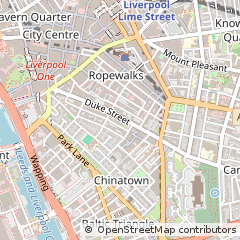
Computed from 3 filingsProvides architectural and built environment design services including architecture, interior and landscape design, urban design, masterplanning, conservation and refurbishment. Also offers project…
Serves public-sector bodies, housing providers, developers and community organisations involved in residential, supported living, regeneration, heritage, health, education and community projects.
Financial Health
DistressedDistressed
Location
Buy this list of 68 businesses
The complete list in one Excel/CSV file — company details, websites and key data. Yours to download and use.
Financial sub-scores
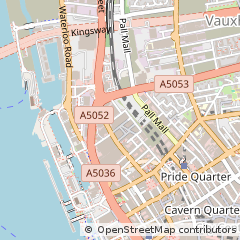
Computed from 5 filingsProvides architectural design, urban planning and masterplanning services. Works on residential, mixed‑use, workplace, retail, cultural and infrastructure projects, offering design consultancy,…
Serves public and private sector clients commissioning built-environment projects in arts, education, healthcare, infrastructure, leisure, residential, retail, hospitality, workplace and mixed-use…
Financial Health
WeakWeak · -68% CAGR over 4y
Location
Buy this list of 68 businesses
The complete list in one Excel/CSV file — company details, websites and key data. Yours to download and use.
Financial sub-scores
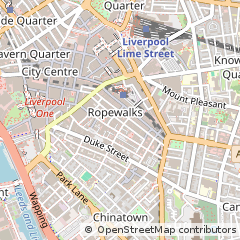
Computed from 3 filingsProvides architectural design services for residential, housing and regeneration projects. Works with developers and organisations to plan and design homes, care facilities and community-focused…
Serves property developers, housing providers, care operators, regeneration bodies and private clients commissioning residential communities, supported living, care environments and one-off homes.
Financial Health
HealthyHealthy · 0% CAGR over 2y
Location
Buy this list of 68 businesses
The complete list in one Excel/CSV file — company details, websites and key data. Yours to download and use.
Financial sub-scores
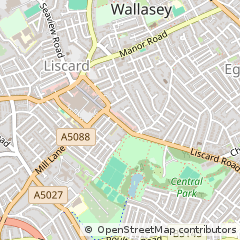
Computed from 5 filingsProvides planning and development consultancy services, including planning applications and appeals, research and analysis, masterplanning, transport and infrastructure advice, architectural design,…
Serves developers, landowners, housing providers, logistics and commercial property operators, energy, education, sport/leisure and tourism organisations, and public sector bodies involved in UK…
Financial Health
StrongStrong · Growing · 0% CAGR over 4y
Location
Buy this list of 68 businesses
The complete list in one Excel/CSV file — company details, websites and key data. Yours to download and use.
Financial sub-scores
Computed from 5 filingsFinancial Health
StableStable · 0% CAGR over 4y
Location
Buy this list of 68 businesses
The complete list in one Excel/CSV file — company details, websites and key data. Yours to download and use.
Financial sub-scores
Computed from 2 filingsFinancial Health
DistressedDistressed
Location
Buy this list of 68 businesses
The complete list in one Excel/CSV file — company details, websites and key data. Yours to download and use.
Financial sub-scores
Computed from 5 filingsFinancial Health
WeakWeak · -68% CAGR over 4y
Location
Buy this list of 68 businesses
The complete list in one Excel/CSV file — company details, websites and key data. Yours to download and use.
Financial sub-scores
Computed from 5 filingsFinancial Health
WeakWeak · 0% CAGR over 4y
Location
Buy this list of 68 businesses
The complete list in one Excel/CSV file — company details, websites and key data. Yours to download and use.
Financial sub-scores
Computed from 5 filingsFinancial Health
HealthyHealthy
Location
Buy this list of 68 businesses
The complete list in one Excel/CSV file — company details, websites and key data. Yours to download and use.
51 more companies and their verified directors are in the file
You’re seeing the top 17. Buy the list to get all 68 with directors, websites and financials.
How Liverpool Planning companies work and how to sell to them
What they do
Liverpool planning consultancies earn most of their revenue from fee-based advisory work around development proposals. Common charging models include fixed fees for site appraisals, policy reviews and application packs, with hourly or day-rate billing where negotiation, objections, appeals or committee preparation are harder to scope. Repeat clients may use retainers or call-off arrangements for land portfolios and rolling development pipelines. The service is professional advice rather than software or physical delivery, although larger mandates often require coordination with architects, transport advisers, environmental specialists and solicitors. Fee recovery depends on keeping document production, statutory deadlines and client revisions under control.
Who they sell to
Typical buyers are owner-managed developers, regional housebuilders, land promoters, estates teams, infrastructure sponsors and professional advisers coordinating wider project teams. The named budget holder is often a development director, land manager, property director, planning manager, finance director or project sponsor, with solicitors and architects acting as referral channels. Smaller instructions can move through direct relationships and quotes, while public-sector or infrastructure work is more likely to use panels, frameworks or formal tendering. Sales cycles tend to be short for early-stage appraisals, but longer where the client is assembling a full planning strategy before committing capital to a site.
What they buy
Most planning firms tend to spend on tools and services that reduce professional-services friction: CRM and pipeline tracking, proposal production, time recording, billing, document management, e-signature, finance, payroll and HR. Casework creates demand for mapping, land-reference, research and project-management systems, alongside secure file-sharing for plans, reports and correspondence. They also buy professional indemnity insurance, specialist legal advice, accountancy, recruitment, bid-writing and marketing services. Firms handling larger or more technical schemes may procure subcontracted expertise in transport, ecology, flood risk, heritage, noise and environmental assessment, usually to complement internal planning judgement rather than replace it.
Why and how to sell to them
Planning buyers tend to evaluate vendors when workload rises faster than fee-earner capacity, when a senior planner joins, when a practice wins a framework, or when succession planning exposes gaps in systems and client ownership. Common pain points are deadline risk, scattered documents, low visibility on margin by matter, slow evidence gathering and the difficulty of converting local relationships into repeatable pipeline. Outbound messaging usually lands better when it is tied to a practical casework problem: fewer missed dates, cleaner audit trails, faster proposal turnaround, clearer resourcing, or better recovery of billable time across planning applications, appeals and policy work.
How this list is built
Data sources
This list is built from UK Companies House filings, XBRL accounts data, and semantic analysis of each company's public website. Revenue and headcount figures come from the most recent filed accounts; where the company has not filed, values are estimated using a model trained on filed history and peer benchmarks and are labelled as estimates.
Classification
Rather than relying solely on SIC codes, Firmbase classifies each company semantically: the company's website is crawled, an AI model reads what the company actually sells, and the company is placed into the relevant industry and subsectors. SIC codes are used as one signal but not the only one. This means a company that registered under a generic SIC code but pivoted into (for example) fintech is correctly identified as fintech, not as its original SIC category.
Freshness
The underlying company data is refreshed from Companies House continuously; filings appear in the list within days of submission. The curated list ordering is regenerated when the underlying data moves meaningfully (company count changes by more than 5%, a new company enters the top-ranked segment, or the filed-revenue numbers for the top firms change). You can see the last-updated timestamp near the top of the page.
Also in Liverpool
Related directories
Frequently asked questions
How many planning companies are there in Liverpool?
What counts as a planning company in this list?
Which are the largest planning companies in Liverpool?
What do planning companies in Liverpool actually do?
How does Liverpool planning compare internationally?
How is this list built and how fresh is the data?
How big are the typical planning companies in Liverpool?
Are these mostly new or established planning companies?
What SIC codes does this use?
What buying signals should I look for?
Buy all 68 businesses as a spreadsheet.
One Excel/CSV file with company details, websites and key data — yours to download and use.