Veterinary Companies in Cambridge: 28 Active Firms (2026)
Veterinary companies in Cambridge provide animal healthcare, clinical services and practice support across the city and surrounding area.
Buying centres cluster around primary-care practices for household pets, equine and farm-animal cover, and referral or practice-support services that handle clinical governance, nursing capacity and back-office operations. Customers are mostly local pet owners and specialist referrers, with some work tied to farms, stables and multi-site practice groups. Engagements tend to be modest at the point of care: consultations, diagnostics, vaccination and treatment plans. The operating companies behind them can still have repeat revenue from care plans, insurance-linked claims handling, outsourced clinical support and acquisition-led practice management.
Read more
Cambridge has 28 veterinary companies actively trading, giving the city a compact local cohort rather than a broad national services base. Reported headcount totals 67 people, so the employment footprint looks weighted towards small practices and service operators rather than large head-office platforms. The market profile is consistent with mixed demand from pet owners, equine clients and referral pathways: recurring clinical relationships matter, but capacity is still shaped by premises, regulated staff availability and the ability to show clear pricing and complaints processes.
Veterinary clinical work sits under the Royal College of Veterinary Surgeons, which maintains the Register of Veterinary Surgeons, oversees undergraduate veterinary education, recognises certain overseas qualifications and supervises professional conduct. Veterinary nursing is also formally recognised, with a separate Register of Veterinary Nurses. Market structure is under closer scrutiny from the CMA, particularly in household pet services. Its measures cover price lists, written estimates, prescription fee caps, ownership disclosure and complaints processes, while its reform case rests on a gap in the current regime: individual vets are regulated, but businesses and practices are not regulated in the same way.
Cambridge’s veterinary market appears likely to stay practice-led rather than venture-led: capacity, reputation and staff retention tend to matter more than classic software-style scaling. Consolidation may continue where local practices need shared administration, procurement and compliance support, although tighter ownership disclosure could make opaque group structures less attractive. Cost sensitivity among pet owners has been a constraint on discretionary treatment, while referral work and specialist nursing can still support higher-acuity demand. The firms most likely to travel beyond local catchments are those with repeatable practice-support models, not only those running front-door clinics.
What’s in the file
One row per company, 50+ columns — everything below plus each company’s verified directors, from Companies House filings.
Company data
Verified directors — included
Active director count is the full Companies House board, so it can be higher than the number of names listed — we leave out nominee and formation-agent directors, who aren’t worth contacting. It’s blank for the small number of companies whose officers we haven’t fetched yet.
You’re charged per business, not per row. Where a business trades through several registered companies you get every one, and the Group Primary column marks one row per business — filter to those and the count matches your invoice. Rows sharing a website are not automatically one business: franchises and multi-site operators each count separately, and where names don’t prove a relationship we count them apart rather than guess.
28
Active firms
2026
6
New since 2022
incorporations
1
Over £5M
turnover
Buy this list of 55 businesses
The complete list in one Excel/CSV file — company details, websites and key data. Yours to download and use.
Key facts
About 3% of the trading cohort reports turnover above £5M (1 of 28 firms) — the rest sits below that revenue band.
21% of the cohort was incorporated since 2022 (6 firms), so a sizeable share is in its first few filing cycles.
Veterinary surgeons are regulated by the Royal College of Veterinary Surgeons under the Veterinary Surgeons Act 1966, with the 2015 Supplemental Royal Charter formally recognising veterinary nursing as a profession.
The CMA’s household pet veterinary services investigation set legally binding measures covering price lists, written estimates, prescription fee caps, ownership transparency and complaints processes.
UK pet demand is broad-based, with 10.6 million pet dogs, 10.8 million pet cats and 800,000 pet rabbits in 2024, and 51% of adults owning a pet.
The vets sector is valued at over £6.7 billion in ONS National Accounts, making it a material household-services market rather than a niche clinical category.
Corporate ownership in the UK veterinary market rose from 10% in 2013 to 60% in 2024, placing the UK among Europe’s more consolidated practice markets.
Top Cambridge Veterinary companies
Financial sub-scores
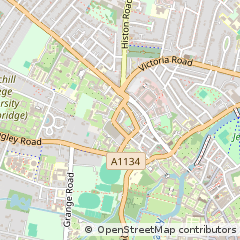
Computed from 3 filingsProvides specialist veterinary referral services for cats and dogs, including orthopaedics, soft tissue surgery, internal medicine, neurology, and diagnostic imaging. Operates a referral clinic…
Serves referring veterinary practices and pet owners with cats and dogs, primarily across London, East Anglia and South East England.
Financial Health
StableStable · Hiring · 123% CAGR over 2y
Location
Buy this list of 55 businesses
The complete list in one Excel/CSV file — company details, websites and key data. Yours to download and use.
Financial sub-scores
Computed from 4 filingsProvides veterinary teleradiology services, delivering diagnostic interpretation of X‑ray, CT and MRI images with annotated reports from board‑certified radiologists, along with clinical case advice…
Serves veterinary practices and hospitals, equine referral centres, and veterinary universities, targeting veterinarians, residents and educators across North America, Europe, the UK and Asia-Pacific.
Financial Health
WeakWeak · -73% CAGR over 3y
Location

Buy this list of 55 businesses
The complete list in one Excel/CSV file — company details, websites and key data. Yours to download and use.
Financial sub-scores
Computed from 4 filingsFinancial Health
DistressedDistressed
Location
Buy this list of 55 businesses
The complete list in one Excel/CSV file — company details, websites and key data. Yours to download and use.
Financial sub-scores
Computed from 3 filingsFinancial Health
StableStable · -90% CAGR over 2y
Location

Buy this list of 55 businesses
The complete list in one Excel/CSV file — company details, websites and key data. Yours to download and use.
Financial sub-scores
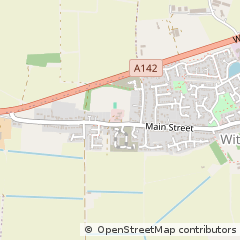
Computed from 5 filingsProvides veterinary services for small animals, including consultations, treatment, emergency care and repeat prescriptions. Operates veterinary surgeries offering routine check-ups, diagnostics and…
Sells to pet owners needing small animal veterinary care, serving local consumers with cats, dogs and other small pets around Witchford and Littleport.
Financial Health
HealthyHealthy · -2% CAGR over 4y
Location
Buy this list of 55 businesses
The complete list in one Excel/CSV file — company details, websites and key data. Yours to download and use.
Financial sub-scores
Computed from 5 filingsProvides equine veterinary services for racehorses, sport and leisure horses, working horses and breeding studs. Offers ambulatory veterinary care, diagnostics, treatment and 24-hour emergency…
Serves thoroughbred industry operators, studs, and owners or managers of sport, leisure and working horses across the south of England, including commercial equine businesses and private horse owners.
Financial Health
StrongStrong · Growing, Hiring · 19% CAGR over 4y
Location

Buy this list of 55 businesses
The complete list in one Excel/CSV file — company details, websites and key data. Yours to download and use.
Financial sub-scores
Computed from 2 filingsFinancial Health
HealthyHealthy · 0% CAGR over 1y
Location

Buy this list of 55 businesses
The complete list in one Excel/CSV file — company details, websites and key data. Yours to download and use.
Financial sub-scores
Computed from 5 filingsFinancial Health
HealthyHealthy · 0% CAGR over 4y
Location

Buy this list of 55 businesses
The complete list in one Excel/CSV file — company details, websites and key data. Yours to download and use.
Financial Health
N/AN/A
Location
Buy this list of 55 businesses
The complete list in one Excel/CSV file — company details, websites and key data. Yours to download and use.
Financial sub-scores
Computed from 5 filingsFinancial Health
DistressedDistressed · 0% CAGR over 4y
Location
Buy this list of 55 businesses
The complete list in one Excel/CSV file — company details, websites and key data. Yours to download and use.
Financial sub-scores
Computed from 5 filingsFinancial Health
DistressedDistressed · -11% CAGR over 4y
Location

Buy this list of 55 businesses
The complete list in one Excel/CSV file — company details, websites and key data. Yours to download and use.
Financial sub-scores
Computed from 5 filingsFinancial Health
WeakWeak · -61% CAGR over 4y
Location

Buy this list of 55 businesses
The complete list in one Excel/CSV file — company details, websites and key data. Yours to download and use.
Financial sub-scores
Computed from 5 filingsFinancial Health
DistressedDistressed · 0% CAGR over 4y
Location

Buy this list of 55 businesses
The complete list in one Excel/CSV file — company details, websites and key data. Yours to download and use.
Financial sub-scores
Computed from 5 filingsFinancial Health
WeakWeak · 0% CAGR over 4y
Location

Buy this list of 55 businesses
The complete list in one Excel/CSV file — company details, websites and key data. Yours to download and use.
Financial sub-scores
Computed from 3 filingsFinancial Health
StrongStrong
Location
Buy this list of 55 businesses
The complete list in one Excel/CSV file — company details, websites and key data. Yours to download and use.
Financial sub-scores
Computed from 5 filingsFinancial Health
DistressedDistressed · -68% CAGR over 4y
Location
Buy this list of 55 businesses
The complete list in one Excel/CSV file — company details, websites and key data. Yours to download and use.
Financial sub-scores
Computed from 5 filingsFinancial Health
WeakWeak · Hiring · 32% CAGR over 4y
Location

Buy this list of 55 businesses
The complete list in one Excel/CSV file — company details, websites and key data. Yours to download and use.
Financial sub-scores
Computed from 5 filingsFinancial Health
StableStable
Location

Buy this list of 55 businesses
The complete list in one Excel/CSV file — company details, websites and key data. Yours to download and use.
Financial sub-scores
Computed from 4 filingsFinancial Health
WeakWeak · 0% CAGR over 2y
Location

Buy this list of 55 businesses
The complete list in one Excel/CSV file — company details, websites and key data. Yours to download and use.
36 more companies and their verified directors are in the file
You’re seeing the top 19. Buy the list to get all 55 with directors, websites and financials.
How Cambridge Veterinary companies work and how to sell to them
What they do
Revenue usually comes from fee-for-service clinical work, with additional income from care plans, diagnostics, prescriptions, surgery, referral cases and practice-support contracts. Pricing is normally tied to consultations, itemised treatment estimates, recurring plan fees or insurance-linked claims, rather than long licence agreements. The service shape is operationally constrained: premises, equipment, clinical staffing, pharmacy controls and out-of-hours cover all affect how much work a practice can take on. Cambridge operators therefore look less like pure consumer services and more like regulated local healthcare providers, with repeat relationships but limited capacity to scale without staff, rooms and clinical governance keeping pace.
Who they sell to
Household pet owners are the usual front-door buyers, while equine clients, farms and referral pathways create more specialist demand. For consumer work, the decision-maker is often the owner at the point of care, with price sensitivity rising when treatment is discretionary or insurance cover is absent. For practice-support or referral services, buying decisions tend to involve clinical directors, practice owners, operations managers and, in larger groups, finance or procurement teams. Sales cycles are usually short for routine care and longer for referral arrangements, outsourced support or group-level services, where trust, clinical standards and continuity matter more than a low headline fee.
What they buy
Most veterinary firms tend to spend on tools and services that protect clinical time and reduce administrative load: practice management software, online booking, client communications, billing, payments, insurance-claims handling, rota planning and stock control. Clinical operations also create demand for diagnostic equipment, laboratory services, pharmacy supply, waste disposal, premises maintenance and training. Back-office needs are often plain but recurring, including payroll, accounting, HR, recruitment, cyber security, GDPR support and local marketing. Multi-site operators may also buy procurement support, reporting, call handling and standardised complaints workflows, especially where ownership transparency and written estimates are under closer scrutiny.
Why and how to sell to them
Buying triggers tend to appear when practices add clinicians, open new premises, take on referral work, change ownership, update pricing processes or struggle with missed appointments and unpaid balances. Regulation and competition scrutiny make claims around transparency, audit trails and complaints handling easier to land than generic efficiency language. Sellers should expect clinicians to resist tools that add screen time, so the better angle is usually fewer manual steps for nurses, reception teams and practice managers. Evidence matters: short implementation windows, clear integration requirements, references from similar regulated service businesses and a credible plan for staff adoption are more persuasive than broad claims about growth.
How this list is built
Data sources
This list is built from UK Companies House filings, XBRL accounts data, and semantic analysis of each company's public website. Revenue and headcount figures come from the most recent filed accounts; where the company has not filed, values are estimated using a model trained on filed history and peer benchmarks and are labelled as estimates.
Classification
Rather than relying solely on SIC codes, Firmbase classifies each company semantically: the company's website is crawled, an AI model reads what the company actually sells, and the company is placed into the relevant industry and subsectors. SIC codes are used as one signal but not the only one. This means a company that registered under a generic SIC code but pivoted into (for example) fintech is correctly identified as fintech, not as its original SIC category.
Freshness
The underlying company data is refreshed from Companies House continuously; filings appear in the list within days of submission. The curated list ordering is regenerated when the underlying data moves meaningfully (company count changes by more than 5%, a new company enters the top-ranked segment, or the filed-revenue numbers for the top firms change). You can see the last-updated timestamp near the top of the page.
Also in Cambridge
Related directories
Frequently asked questions
How many veterinary companies are there in Cambridge?
What counts as a veterinary company in this list?
Which are the largest veterinary companies in Cambridge?
What do veterinary companies in Cambridge actually do?
How does Cambridge veterinary compare internationally?
How is this list built and how fresh is the data?
How big are the typical veterinary companies in Cambridge?
Are these mostly new or established veterinary companies?
What SIC codes does this use?
What buying signals should I look for?
Buy all 55 businesses as a spreadsheet.
One Excel/CSV file with company details, websites and key data — yours to download and use.