Arable Farming Companies in Edinburgh: 71 Active Firms (2026)
Arable farming companies in Edinburgh grow cereals, oilseeds and other combinable crops across farms serving the surrounding Lothian supply base.
Buying activity clusters around farm operations: crop rotation, input procurement, machinery use, storage, and grain marketing. The customer base is mainly B2B, feeding regional and national food, feed and commodity chains, while operational choices are shaped by soil quality, plant health and land-management obligations. Engagements tend to be tied to cropping cycles and harvest windows, with buyers expecting traceable production, manageable logistics and predictable quality. The typical operator looks lean: family ownership, seasonal labour and contracted agronomy support sit alongside commercial sales into larger supply-chain buyers.
Read more
Edinburgh has 71 actively trading arable farming companies in this cohort. Reported headcount totals 62 people, matching the lean staffing pattern typical of family farms that combine permanent operators with seasonal labour and contracted agronomy. The local picture is therefore less about a deep employer base than about land-holding farm entities, storage decisions and crop-marketing relationships. Sales remain tied to the Lothian crop base, feeding regional and national food, feed and commodity channels rather than consumer-facing demand.
Devolved agricultural policy is the starting point, since crop-farming support no longer sits under a uniform EU-derived direct-payment model across the UK. England's Agriculture Act framework illustrates the shift towards public assistance linked to environmental and productivity objectives, including soil quality, plant health and land management. For Edinburgh operators, Great Britain-wide plant-protection rules are the more direct shared compliance layer. HSE acts as the national pesticide regulator for the UK on behalf of the UK government and devolved administrations; only authorised products can be marketed or used, professional users must register with the competent authority, and businesses may be inspected for compliance. Defra has also described lower cereal and oilseed rape output and lower production value, so commodity exposure sits alongside compliance as a market-structure issue.
Further consolidation appears likely to be practical rather than financial engineering: machinery costs, storage requirements and crop-marketing reach tend to favour operators that can share equipment, contract specialist support or aggregate grain sales. Scale-up scarcity may persist, because the cohort is anchored in land, family ownership and seasonal labour rather than asset-light expansion. Compliance pressure around plant protection products also seems unlikely to recede. For researchers, the useful distinction is between farm entities that mainly hold and work land, and those developing broader roles in storage, marketing or contracted operations.
What’s in the file
One row per company, 50+ columns — everything below plus each company’s verified directors, from Companies House filings.
Company data
Verified directors — included
Active director count is the full Companies House board, so it can be higher than the number of names listed — we leave out nominee and formation-agent directors, who aren’t worth contacting. It’s blank for the small number of companies whose officers we haven’t fetched yet.
You’re charged per business, not per row. Where a business trades through several registered companies you get every one, and the Group Primary column marks one row per business — filter to those and the count matches your invoice. Rows sharing a website are not automatically one business: franchises and multi-site operators each count separately, and where names don’t prove a relationship we count them apart rather than guess.
71
Active firms
2026
2
Above £5M
annual revenue
5
New since 2022
incorporations
Buy this list of 155 businesses
The complete list in one Excel/CSV file — company details, websites and key data. Yours to download and use.
Key facts
About 2% of the trading cohort reports turnover above £5M (2 of 71 firms) — the rest sits below that revenue band.
7% of the cohort was incorporated since 2022 (5 firms), so a sizeable share is in its first few filing cycles.
UK cereal production was just over 19.4 million tonnes in 2024, down 12% on 2023, while production value fell 22% to around £3.5 billion.
Harvested wheat production fell 20% to 11.1 million tonnes in 2024, though wheat remained the largest arable crop by value at £2.2 billion.
Professional users of plant protection products in Great Britain must register under the Official Controls (Plant Protection Products) Regulations 2020.
HSE is the national regulator for pesticide and plant-protection-product use in the UK, and only authorised pesticide products can be marketed or used.
UK cereal production was 79% of total new supply for UK cereal use in 2024, down from 93% in 2023, reflecting greater import reliance after a poor harvest.
Top Edinburgh Arable Farming companies
Financial sub-scores
Computed from 5 filingsFinancial Health
StableStable · -70% CAGR over 4y
Location
Buy this list of 155 businesses
The complete list in one Excel/CSV file — company details, websites and key data. Yours to download and use.
Financial sub-scores
Computed from 5 filingsFinancial Health
StableStable · -68% CAGR over 4y
Location

Buy this list of 155 businesses
The complete list in one Excel/CSV file — company details, websites and key data. Yours to download and use.
Financial sub-scores
Computed from 5 filingsFinancial Health
WeakWeak · -62% CAGR over 4y
Location
Buy this list of 155 businesses
The complete list in one Excel/CSV file — company details, websites and key data. Yours to download and use.
Financial sub-scores
Computed from 5 filingsFinancial Health
StableStable · 0% CAGR over 4y
Location
Buy this list of 155 businesses
The complete list in one Excel/CSV file — company details, websites and key data. Yours to download and use.
Financial sub-scores
Computed from 5 filingsFinancial Health
WeakWeak · 0% CAGR over 4y
Location
Buy this list of 155 businesses
The complete list in one Excel/CSV file — company details, websites and key data. Yours to download and use.
Financial sub-scores
Computed from 5 filingsFinancial Health
HealthyHealthy · Hiring · 4% CAGR over 4y
Location

Buy this list of 155 businesses
The complete list in one Excel/CSV file — company details, websites and key data. Yours to download and use.
Financial sub-scores
Computed from 5 filingsFinancial Health
StableStable
Location

Buy this list of 155 businesses
The complete list in one Excel/CSV file — company details, websites and key data. Yours to download and use.
Financial sub-scores
Computed from 5 filingsFinancial Health
WeakWeak · -10% CAGR over 4y
Location

Buy this list of 155 businesses
The complete list in one Excel/CSV file — company details, websites and key data. Yours to download and use.
Financial sub-scores
Computed from 5 filingsFinancial Health
WeakWeak
Location

Buy this list of 155 businesses
The complete list in one Excel/CSV file — company details, websites and key data. Yours to download and use.
Financial sub-scores
Computed from 5 filingsFinancial Health
WeakWeak · -10% CAGR over 4y
Location

Buy this list of 155 businesses
The complete list in one Excel/CSV file — company details, websites and key data. Yours to download and use.
Financial sub-scores
Computed from 3 filingsFinancial Health
DistressedDistressed
Location

Buy this list of 155 businesses
The complete list in one Excel/CSV file — company details, websites and key data. Yours to download and use.
Financial sub-scores
Computed from 2 filingsFinancial Health
StableStable · 0% CAGR over 1y
Location

Buy this list of 155 businesses
The complete list in one Excel/CSV file — company details, websites and key data. Yours to download and use.
Financial sub-scores
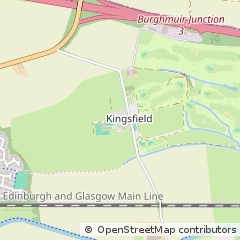
Computed from 3 filingsOperates an arable farming business producing crops and providing agricultural services including crop storage, drying, cleaning and sorting. Also offers farm haulage, agricultural machinery sales,…
Serves other farms and agricultural businesses needing crop storage, drying, cleaning and haulage, plus commercial tenants seeking office space, residential renters, holiday guests, and buyers of…
Financial Health
StableStable
Location
Buy this list of 155 businesses
The complete list in one Excel/CSV file — company details, websites and key data. Yours to download and use.
Financial sub-scores
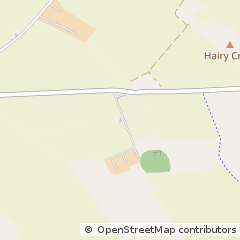
Computed from 5 filingsOperates a family-run farm producing agricultural crops and food products including wheat, oats, culinary pumpkins, rapeseed oil, honey, flour and apple juice, and sells farm produce through its shop…
Serves local consumers and food enthusiasts in East Lothian and the Lothians, including households buying farm produce and attendees of farm markets, workshops and seasonal events; also supplies…
Financial Health
StableStable · Hiring · 5% CAGR over 4y
Location

Buy this list of 155 businesses
The complete list in one Excel/CSV file — company details, websites and key data. Yours to download and use.
Financial sub-scores
Computed from 5 filingsFinancial Health
StableStable · -68% CAGR over 4y
Location
Buy this list of 155 businesses
The complete list in one Excel/CSV file — company details, websites and key data. Yours to download and use.
Financial sub-scores
Computed from 5 filingsFinancial Health
WeakWeak · -69% CAGR over 4y
Location

Buy this list of 155 businesses
The complete list in one Excel/CSV file — company details, websites and key data. Yours to download and use.
Financial sub-scores
Computed from 5 filingsFinancial Health
WeakWeak · -71% CAGR over 4y
Location

Buy this list of 155 businesses
The complete list in one Excel/CSV file — company details, websites and key data. Yours to download and use.
Financial sub-scores
Computed from 5 filingsFinancial Health
StableStable · -65% CAGR over 4y
Location
Buy this list of 155 businesses
The complete list in one Excel/CSV file — company details, websites and key data. Yours to download and use.
Financial sub-scores
Computed from 5 filingsFinancial Health
StableStable · -70% CAGR over 4y
Location

Buy this list of 155 businesses
The complete list in one Excel/CSV file — company details, websites and key data. Yours to download and use.
Financial sub-scores
Computed from 5 filingsFinancial Health
WeakWeak
Location
Buy this list of 155 businesses
The complete list in one Excel/CSV file — company details, websites and key data. Yours to download and use.
Financial sub-scores
Computed from 5 filingsFinancial Health
WeakWeak
Location

Buy this list of 155 businesses
The complete list in one Excel/CSV file — company details, websites and key data. Yours to download and use.
Financial sub-scores
Computed from 5 filingsFinancial Health
HealthyHealthy
Location

Buy this list of 155 businesses
The complete list in one Excel/CSV file — company details, websites and key data. Yours to download and use.
Financial sub-scores
Computed from 5 filingsFinancial Health
WeakWeak · -68% CAGR over 4y
Location

Buy this list of 155 businesses
The complete list in one Excel/CSV file — company details, websites and key data. Yours to download and use.
Financial sub-scores
Computed from 5 filingsFinancial Health
WeakWeak
Location

Buy this list of 155 businesses
The complete list in one Excel/CSV file — company details, websites and key data. Yours to download and use.
Financial sub-scores
Computed from 5 filingsFinancial Health
StableStable · 0% CAGR over 4y
Location

Buy this list of 155 businesses
The complete list in one Excel/CSV file — company details, websites and key data. Yours to download and use.
Financial sub-scores
Computed from 5 filingsFinancial Health
WeakWeak
Location
Buy this list of 155 businesses
The complete list in one Excel/CSV file — company details, websites and key data. Yours to download and use.
Financial sub-scores
Computed from 5 filingsOperates farming activities within a rural estate, undertaking mixed agriculture and related agricultural services. Activities form part of a wider estate business that also manages farmland,…
Serves a mixed market: heritage house visitors and group tour organisers, rural and property tenants, and agricultural customers linked to a working estate in East Lothian.
Financial Health
WeakWeak · -67% CAGR over 4y
Location

Buy this list of 155 businesses
The complete list in one Excel/CSV file — company details, websites and key data. Yours to download and use.
Financial Health
N/AN/A
Location

Buy this list of 155 businesses
The complete list in one Excel/CSV file — company details, websites and key data. Yours to download and use.
Financial sub-scores
Computed from 5 filingsFinancial Health
StrongStrong
Location

Buy this list of 155 businesses
The complete list in one Excel/CSV file — company details, websites and key data. Yours to download and use.
Financial sub-scores
Computed from 5 filingsFinancial Health
StableStable · 0% CAGR over 5y
Location

Buy this list of 155 businesses
The complete list in one Excel/CSV file — company details, websites and key data. Yours to download and use.
Financial sub-scores
Computed from 5 filingsFinancial Health
StrongStrong
Location

Buy this list of 155 businesses
The complete list in one Excel/CSV file — company details, websites and key data. Yours to download and use.
Financial sub-scores
Computed from 5 filingsFinancial Health
HealthyHealthy
Location

Buy this list of 155 businesses
The complete list in one Excel/CSV file — company details, websites and key data. Yours to download and use.
Financial sub-scores
Computed from 5 filingsFinancial Health
WeakWeak · -70% CAGR over 4y
Location

Buy this list of 155 businesses
The complete list in one Excel/CSV file — company details, websites and key data. Yours to download and use.
Financial sub-scores
Computed from 5 filingsFinancial Health
DistressedDistressed
Location

Buy this list of 155 businesses
The complete list in one Excel/CSV file — company details, websites and key data. Yours to download and use.
121 more companies and their verified directors are in the file
You’re seeing the top 34. Buy the list to get all 155 with directors, websites and financials.
How Edinburgh Arable Farming companies work and how to sell to them
What they do
Revenue usually comes from selling combinable crops into merchant, processor, feed and commodity channels, with pricing linked to tonnage, grade, delivery terms and market timing rather than a recurring subscription. Some operators add income from drying, storage, haulage, contract farming or machinery work for neighbouring farms, but the core product is still a physical crop with traceability and quality specifications. Commercial decisions sit around forward selling, spot sales after harvest, input purchasing and whether to hold grain in store. Margins are exposed to weather, fuel, fertiliser, crop-protection costs and the cost of keeping machinery available during narrow fieldwork windows.
Who they sell to
Most Edinburgh-area arable operators sell through grain merchants, agricultural co-operatives, processors, feed channels and larger supply-chain buyers rather than to consumers. The buyer side is typically a grain trader, procurement manager, farm-supply buyer or commercial manager, while the seller is often an owner-operator, farm manager or family director with agronomy support in the background. Sales cycles follow the crop year: forward contracts can be agreed before harvest, while spot sales tend to cluster around storage capacity, cash-flow needs and market prices. Formal RFPs are uncommon; relationships, quality records, delivery reliability and payment terms matter more than long procurement exercises.
What they buy
Most arable farming firms tend to spend on inputs, machinery, agronomy and logistics before discretionary software, so external sellers need to fit into farm operations rather than pitch abstract efficiency. Relevant categories include farm-management systems, crop-recording tools, compliance documentation, accounting, payroll, health and safety, crop insurance, fuel procurement, machinery maintenance, grain-store monitoring, haulage scheduling, soil testing and recruitment for seasonal work. Larger turnover operators may also evaluate finance, energy management, data analysis for yields and marketing support for grain sales. Services that work alongside agronomists, accountants and machinery contractors usually feel more credible than tools that ask farms to rebuild their processes.
Why and how to sell to them
Commodity prices, weather risk, input inflation and plant-protection compliance create the main buying pressure. Arable buyers tend to evaluate suppliers when a new cropping plan is being set, a machinery replacement is due, storage is constrained, a compliance inspection is expected, or succession brings a new decision-maker into the farm office. Commercial intent is also visible around harvest bottlenecks, rising contractor use, new grain-marketing arrangements or a move into more formal record keeping. Outbound should be practical: reduce missed field days, protect crop quality in store, simplify evidence for compliance, or improve cash-flow visibility. Farm-specific language usually lands better than generic productivity claims.
How this list is built
Data sources
This list is built from UK Companies House filings, XBRL accounts data, and semantic analysis of each company's public website. Revenue and headcount figures come from the most recent filed accounts; where the company has not filed, values are estimated using a model trained on filed history and peer benchmarks and are labelled as estimates.
Classification
Rather than relying solely on SIC codes, Firmbase classifies each company semantically: the company's website is crawled, an AI model reads what the company actually sells, and the company is placed into the relevant industry and subsectors. SIC codes are used as one signal but not the only one. This means a company that registered under a generic SIC code but pivoted into (for example) fintech is correctly identified as fintech, not as its original SIC category.
Freshness
The underlying company data is refreshed from Companies House continuously; filings appear in the list within days of submission. The curated list ordering is regenerated when the underlying data moves meaningfully (company count changes by more than 5%, a new company enters the top-ranked segment, or the filed-revenue numbers for the top firms change). You can see the last-updated timestamp near the top of the page.
Also in Edinburgh
Related directories
Frequently asked questions
How many arable farming companies are there in Edinburgh?
What counts as a arable farming company in this list?
Which are the largest arable farming companies in Edinburgh?
What do arable farming companies in Edinburgh actually do?
How does Edinburgh arable farming compare internationally?
How is this list built and how fresh is the data?
How big are the typical arable farming companies in Edinburgh?
Are these mostly new or established arable farming companies?
What SIC codes does this use?
What buying signals should I look for?
Buy all 155 businesses as a spreadsheet.
One Excel/CSV file with company details, websites and key data — yours to download and use.